
Cancer: Disease Overview
Nearly 1.8 million Americans will learn that they have cancer this year. There are more than 200 forms of this often devastating disease, which are characterized by the uncontrolled and destructive growth of cells. Cancer is currently the second leading cause of death in the United States, and BRI is committed to finding out what causes it and how to better treat and prevent it.
Laboratory scientists are investigating the connections between autoimmune diseases and the mechanisms that help cancer grow and spread without being detected by the immune system. Clinical trials are studying cancer from a variety of angles, including prevention and treatment.
What Is Cancer?
Cancer is an umbrella term for a variety of diseases in which abnormal cells divide uncontrollably. These cells can invade nearby tissues and also spread to other parts of the body through the blood and lymph systems (known as metastasizing). Cancer can affect just about any part of the body. Biomedical advances over the past 50 years have vastly improved the treatments and outcomes for people facing cancer.
What Causes Cancer?
Cancer is caused by changes to genes that control the way cells function, especially the way they grow and divide. Usually, the immune system eliminates cells with damaged DNA. In the case of cancer, the immune system fails to recognize the cancerous cells and they can grow uncontrolled within the body.
What Are Risk Factors for Cancer?
Scientists still don’t know why one person develops cancer and another does not. However, research has shown that certain factors can increase a person’s chances of developing cancer.
- Age – Older people are more likely to develop cancer.
- Health habits – Smoking, drinking alcohol, obesity, excessive exposure to the sun and unsafe sex can all increase the chance of developing cancer.
- Family history – Though cancer is not passed down from one generation to the next, gene mutations that increase the risk of cancer can be. Not everyone who has a specific gene mutation will develop cancer.
- Health conditions – Some chronic conditions, such as ulcerative colitis, can increase the risk of cancer.
- Environmental exposures – Exposure to harmful chemicals, such as secondhand smoke, asbestos, benzene, etc., can increase the risk of cancer.
What Is the Latest Research Into Cancer?
BRI is a leader in understanding the interaction between immune system function and the development of cancer. Our current research includes:
- Unraveling how cancer cells stop the immune system from recognizing tumors as dangerous.
- Pinpointing the links between cancer and autoimmunity.
- Using artificial intelligence (AI) and data analytics to identify new targets for treatment.
- Understanding the cells and processes that allow cancer to advance.
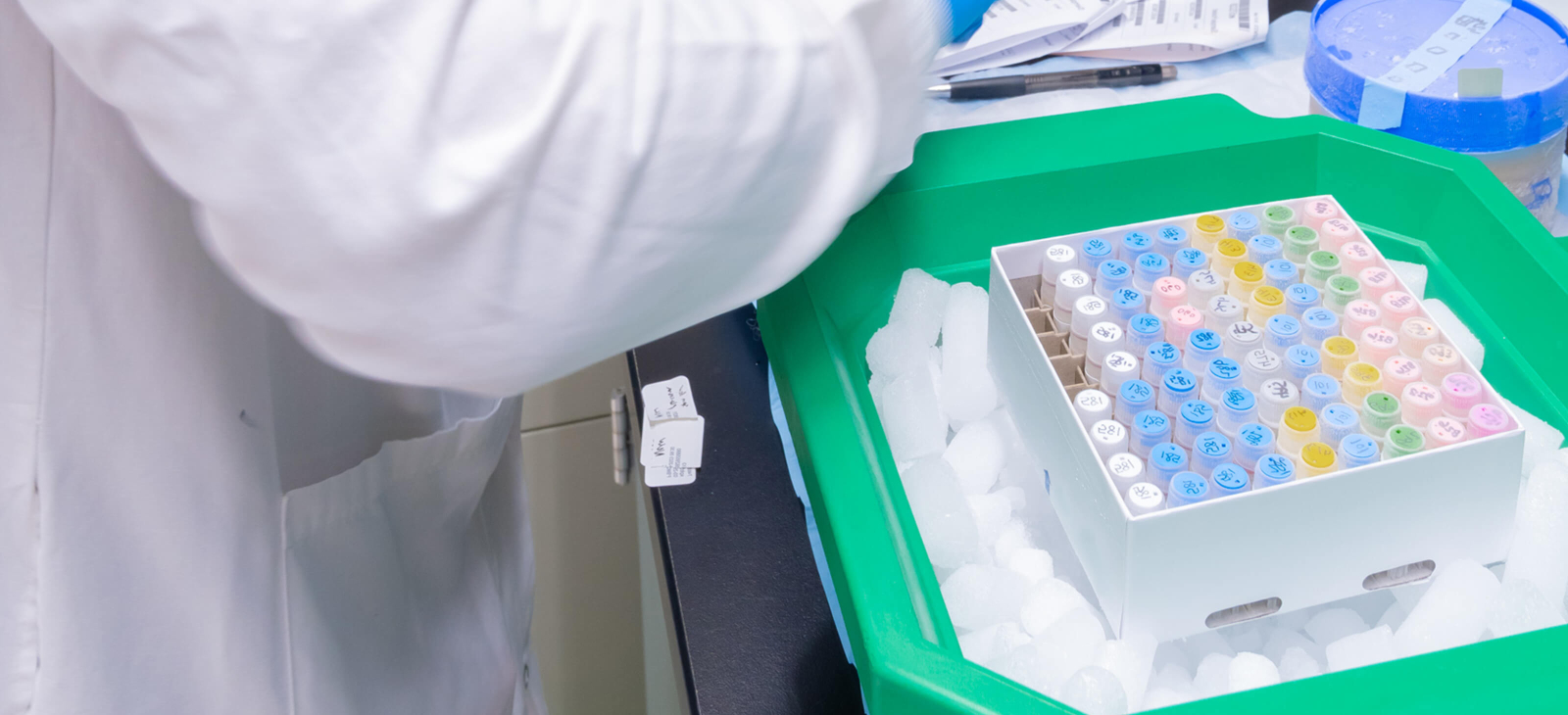
Labs Studying Cancer
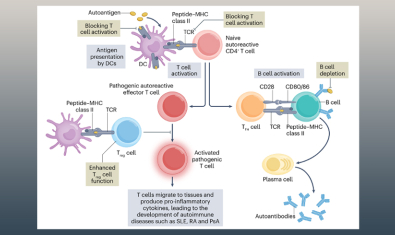
Buckner Lab
The Buckner Lab is focused on identifying the underlying mechanisms by which regulation of the adaptive immune response fails or is overcome in the setting of human autoimmunity.
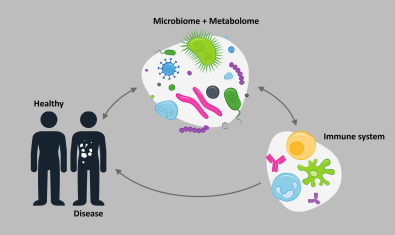
Byrd Lab
The Byrd Lab studies how the microbiome, the communities of bacteria, fungi and viruses that live in and on the body, influences human health.
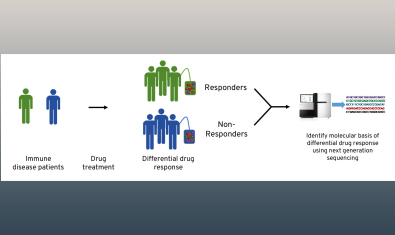
Linsley Lab
Our goal is to develop and use cutting edge systems biology approaches to elucidate molecular signatures of complex immune diseases, understand the mechanisms of disease, and identify the right therapy for the right patient.
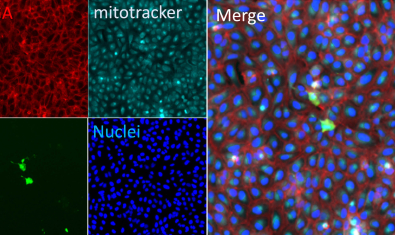
Stefani Lab
The Stefani Lab studies how cells detect, respond to, and repair membrane damage.
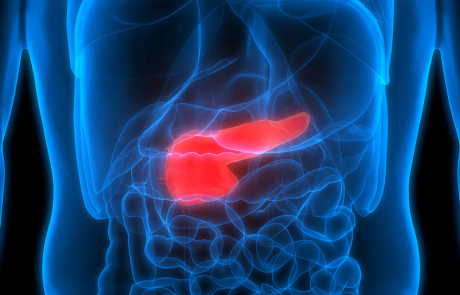
VMFH, BRI Bring Innovative Pancreas Cancer Trial to Pacific Northwest
BRI and VMFH bring a clinical trial of one of the first targeted therapies for pancreas cancer to patients in the Pacific Northwest.
Innovation Fund Backs Exciting New Research
Allyson Byrd, PhD, and Cate Speake, PhD, are exploring an innovative tool in immunology research. The questions they can ask are limitless.
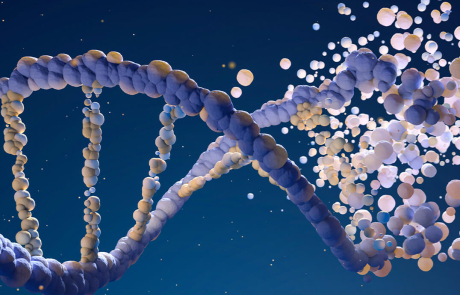
Innovation Fund Spotlight: State-of-the-Art Genome Editing To Understand Disease and Develop New Therapies
Learn how CRISPR-Cas9-based genome engineering using adeno-associated virus (AAV) vectors is helping BRI scientists make breakthroughs to study human T cells and explore new treatments for type 1 diabetes, as well as develop preclinical models to study T cells and B cell