The intersection of biology, immunology and data analysis
Systems immunology is an area of research that uses mathematics and computer analysis to examine cells, molecules and processes in the immune system. BRI’s Center for Systems Immunology uses the latest tools to collect, process and examine data from studies across BRI and around the world. We select and implement new technologies and develop approaches to organize and analyze large data sets. Our goal is to make new insights about the immune system and the diseases that affect it.

Adam Lacy-Hulbert, PhD
Labs in the Center for Systems Immunology
Altman Lab
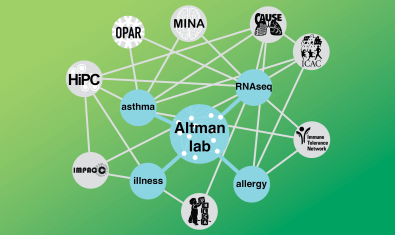
The Altman lab focuses on use of whole genome transcriptional profiling and multi-omics approaches, and leverages big-data computational biology to understand the molecular mechanisms underpinning severe asthma and other immunologic diseases.
Byrd Lab
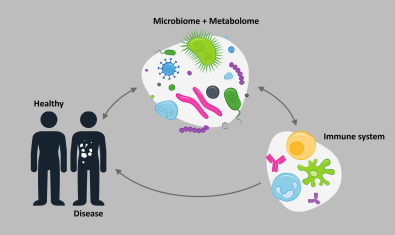
The Byrd Lab investigates the role of microorganisms in health and disease, with a particular focus on the gut microbiome — a complex community of bacteria, fungi and viruses that influence immune system activity, disease progression, and response to therapy.
Linsley Lab
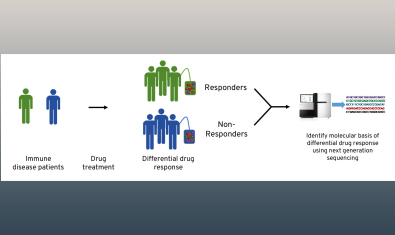
Our goal is to develop and use cutting edge systems biology approaches to elucidate molecular signatures of complex immune diseases, understand the mechanisms of disease, and identify the right therapy for the right patient.

Ray Lab
The Ray Lab is interested in better understanding how genetic variation tunes our immune system and how this can put individuals at risk for autoimmune diseases.
Stefani Lab
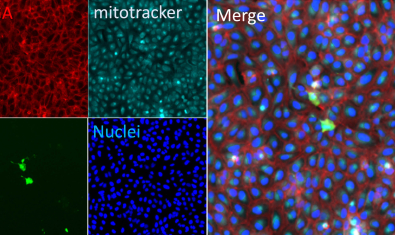
The goal of our research is to better understand mechanisms of sensing and repair during diseases like cancer, infections, and neurodegenerative disorders.
Groups in the Center for Systems Immunology
Bioinformatics Group
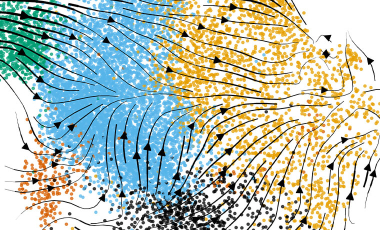
The Bioinformatics Group partners with researchers throughout BRI to help make sense of complex multi-dimensional data. They are an integral part of the Center for Systems Immunology and are a prime example of the institutes many internal resources.

Gut Immunity Program
The Gut Immunity Program studies how immune responses in the gut go wrong and lead to inflammatory bowel diseases (IBD) such as, celiac disease, Crohn's & colitis and other autoimmune conditions. Researchers use model systems, biorepository samples and clinical studies to understand how immune responses go awry. They also study the gut microbiome and how immune responses in the gut contribute to other autoimmune diseases.