
Type 1 Diabetes
Clinical studies at Benaroya Research Institute (BRI) investigate the underlying causes of type 1 diabetes (T1D), seeking ways to slow down and prevent disease progression both before and after clinical diagnosis. BRI's T1D research spans a wide range, from foundational lab studies to clinical trials testing innovative therapies.
Our scientists have played key roles in the identification of diabetes risk genes, the description of diabetes-associated immune cells, and the development of laboratory and clinical tools to study disease progression and response to therapy. Participating in risk screening and clinical studies allows you to play a vital role in new breakthroughs to prevent and treat T1D.
Contact us to learn more about risk screening or study participation.
Enrolling T1D Clinical Studies
- BRIAR (Benaroya Research Institute Autoimmune Registry)
By enrolling, you will provide basic health information that helps us match you to current and future studies, and you will receive periodic research updates from Benaroya Research Institute (BRI). All the information you provide will be kept confidential and participation in future studies is always voluntary.
Eligibility includes any of the following:
- a personal history of one or more autoimmune/immune-mediated condition(s)
- a healthy immune system, without any autoimmune/immune-mediated conditions
- a family history of one or more autoimmune/immune-mediated condition(s)
- BRIDge Biorepository
The Diabetes Biorepository is a confidential list of people with type 1 diabetes (T1D) who donate samples and provide health information for scientific research. This library of samples and information helps our scientists study how and why T1D starts and make progress toward prevention and better treatments.
- Pathway to Prevention Study (T1D Risk Screening)
TrialNet Diabetes Risk Screening is available and free to eligible family members of people with type 1 diabetes through an international research effort and BRI.
Eligibility includes:
- Individuals who are 2-45 years of age with a parent, child, brother or sister with type 1 diabetes
- Individual who are 2-20 years of age with a niece, nephew, aunt, uncle, grandparent, half-sibling or cousin with type 1 diabetes
- Individuals age 2-45 years that have tested positive for at least one T1D related autoantibody outside of TrialNet
- Limited rescreening is available for those under age 18.
- ASCEND T1D (ATG vs Teplizumab in T1D Prevention)
The ASCEND T1D Study is testing anti-thymocyte globulin (ATG) and teplizumab to compare their ability to delay the onset of type 1 diabetes (T1D) in people at high risk.
Eligibility includes:
- Ages 4 to 34
- Stage 2 T1D confirmed by TrialNet testing (at least 2 diabetes-related autoantibodies and abnormal glucose tolerance)
- Not diagnosed with Stage 3 T1D (clinical diagnosis)
- βeta Preserve Study (Teplizumab in Newly Diagnosed T1D)
This study is looking at how an investigational study drug, called teplizumab, might possibly help protect insulin-producing cells by affecting the immune cells that attack them.
Eligibility includes:
- Be 1 to 25 years of age
- Have been recently diagnosed (within a month) with T1D.
- Be positive for at least one T1D autoantibody (proteins that attack insulin-making cells by mistake).
- COUR CNP-103 (Nanoparticle in Newly Diagnosed T1D)
The purpose of this study is to assess the safety, tolerability, pharmacodynamics (PD), and efficacy of multiple ascending doses of CNP-103, an investigational treatment for T1D.
Eligibility Includes:
- 12 to 35 years old
- T1D diagnosis within the past five months
- RESET Study (Rezpegaldesleukin in Newly Diagnosed T1D)
TrialNet is studying rezpegaldesleukin to see if it can help the body continue making insulin in people newly diagnosed with type 1 diabetes (TID) by stimulating regulatory T cells to restore immune balance.
Eligibility includes:
- Newly diagnosed with T1D (in the past 3 months)
- Ages 18 to 45
- Your screening tests show:
- 1 or more diabetes-related autoantibody
- Detectable C-peptide during a mixed meal tolerance test (MMTT)
- Safeguard Study (Human ATG SAB-142 in Newly Diagnosed T1D)
The SAFEGUARD study will evaluate the safety and efficacy of an investigational medicine called SAB-142 in delaying disease progression in people newly diagnosed with T1D.
Eligibility includes:
- Aged between 5 to 40 years, inclusively
- Newly diagnosed with T1D (enrolled in the study within 100 days of diagnosis)
- LIFT Study (Long-Term Investigative Follow-Up in TrialNet)
The LIFT Study (Long-Term Investigative Follow-Up in TrialNet) gives participants personal ongoing monitoring by experts at the forefront of T1D research.
Eligibility includes:
The LIFT Study is open to participants who were in TrialNet prevention studies who develop type 1 diabetes and participants who were in TrialNet new onset studies that are completed.
Closed to Enrollment T1D Clinical Studies
- FABULINUS Study (Frexalimab in Newly Diagnosed T1D)
This study is testing an investigational drug called frexalimab in adolescents and adults age 12-35 years old with newly diagnosed type 1 diabetes who are on insulin therapy (adults age 18-35 will be enrolled first, followed by 12 to 21-year-olds later in the study).
Eligibility includes:
- 12-21 years of age
- recently diagnosed with type 1 diabetes
- taking insulin replacement therapy for 90 days or less
- IDAD Study (Identifying Drivers of Autoimmune Disease)
Benaroya Research Institute and the Immune Drivers of Autoimmune Disease Program are conducting a study to understand how the immune system functions differently in people with and without Down syndrome and with and without diabetes risk markers.
Eligibility includes:
- Are age 1 year and older
- Have not been diagnosed with Type 1 Diabetes
- Have not been diagnosed with any other autoimmune disease
- Are not receiving immunotherapy treatment
- JAKPOT Study (JAK Inhibitors in Newly Diagnosed T1D)
TrialNet researchers are testing two different treatments – abrocitinib and ritlecitinib – to see if either or both can preserve insulin production in people (ages 12-35) newly diagnosed with type 1 diabetes (Stage 3 T1D).
Eligibility includes:
- Age 12-35
- Newly diagnosed with T1D (in past 3 months)
- Up to date on required vaccines (including the flu vaccine when it is available)
- Not pregnant, breastfeeding or planning to become pregnant while in the study
- AND have:
- One or more diabetes-related autoantibodies
- Hemoglobin A1C below 10%
- C-peptide detectable during a mixed-meal tolerance test (MMTT)
- RELAY Study (Rituximab-pvvr/Abatacept in Newly Diagnosed T1D)
TrialNet is testing rituximab-pvvr and abatacept, one after the other, to learn if using both treatments extend insulin production in people (ages 8-45) who were newly diagnosed with type 1 diabetes (T1D).
Eligibility includes:
- Age 8-45
- Newly diagnosed with T1D (in past 3 months)
- Up to date on required vaccines (including the flu vaccine when it is available)
Not pregnant, breastfeeding or planning to become pregnant while in the study
AND have:
- One or more diabetes-related autoantibodies
- C-peptide detectable during a mixed-meal tolerance test (MMTT)
- These are the study’s main eligibility criteria. A member of your research team will review the full list of inclusion and exclusion criteria with you prior to your screening visit.
Frequently Asked Questions
- How do I get started contributing to BRI research?
The best way to get started is by joining the Benaroya Research Institute Autoimmune Registry (BRIAR). BRIAR connects volunteers with research opportunities that match their interests, health history and eligibility. By enrolling in BRIAR, you may be invited to participate in surveys, biorepositories, observational studies and clinical trials as opportunities become available.
Joining BRIAR does not obligate you to participate in any future study, it simply gives researchers a snapshot of your health history. It also allows BRI researchers to contact you about research participation opportunities that may be a good fit.
You can also explore current studies through the BRI website or contact the Center for Interventional Immunology (CII) Outreach Team to learn more.
- What is the difference between a registry, a biorepository and a clinical trial?
A registry is a secure database that stores health information from volunteers who are interested in participating in research. Researchers use registries to better understand diseases at a population level and identify people who may be eligible for future studies. At Benaroya Research Institute, BRIAR is our autoimmune research registry, designed to connect interested volunteers with future research opportunities.
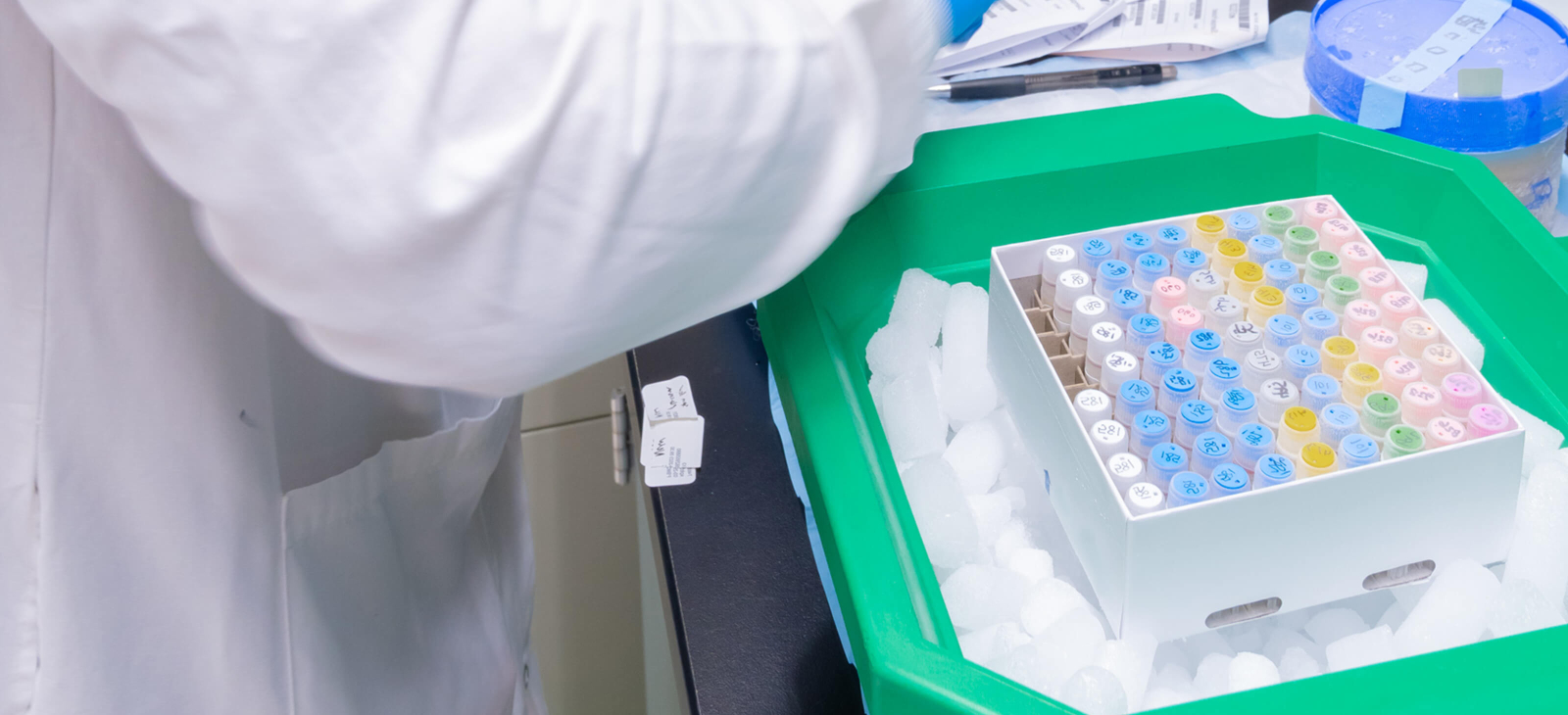
A biorepository is a collection of biological samples, such as blood, saliva, DNA or tissue, that researchers use to better understand health and disease. Participants may contribute samples and health information, but they do not receive an investigational treatment as part of a biorepository.
A clinical trial is a research study that evaluates a new treatment, intervention or approach to care. Clinical trials follow a specific protocol and may involve study medications, devices, procedures or additional health monitoring.
Registries, biorepositories and clinical trials are all essential to advancing medical research, but they involve different levels of participation and commitment.
- How much does it cost?
There is no cost to participate in BRI research studies. Study-related procedures and tests are provided at no charge to participants. Some studies may also offer compensation for time and travel.
The research team will review any study-specific reimbursements or compensation with you before enrollment.
- What is your patient privacy policy?
Protecting your privacy is a top priority. BRI follows strict federal, state and institutional regulations designed to safeguard participant information. Personal information is stored securely and shared only as permitted by law and approved research protocols.
Before participating, you will receive detailed information about how your data and samples will be collected, stored, used and protected. You will have the opportunity to ask questions before providing consent.
- Who do I contact with questions about participation?
The Center for Interventional Immunology (CII) Outreach Team is here to help. Whether you have questions about research opportunities, eligibility, enrollment or the participation process, our team can connect you with studies that match your interests and answer any questions you may have.
CII Outreach Team
Email: participate@benaroyaresearch.org
Phone: 206.287.5624
News
Seattle Children’s Research Institute, Benaroya Research Institute at Virginia Mason Franciscan Health, and GentiBio Highlight Long Standing Scientific Collaboration Advancing GNTI 122 Into the Clinic
Read More
The Sound Life Project – New Finding Identifies Four Categories of Healthy Immune Systems
Read More
BRI Investigators Jane Buckner, MD, and Carmen Mikacenic, MD, Interviewed on the Arthritis Life Podcast
Read More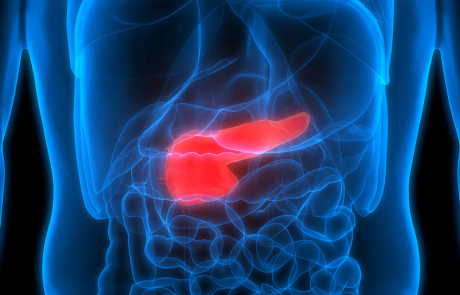
VMFH, BRI Bring Innovative Pancreas Cancer Trial to Pacific Northwest
BRI and VMFH bring a clinical trial of one of the first targeted therapies for pancreas cancer to patients in the Pacific Northwest.
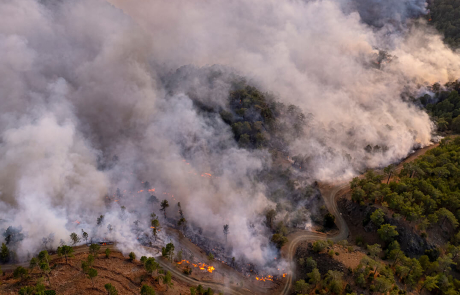
How Does Wildfire Smoke Impact the Immune System?
As wildfire smoke becomes more common in the Pacific Northwest, BRI scientists are learning more about how it influences immune system function. We asked Dr. Megan Smithmyer about her research in this area and a new study examining the immune systems of wildland firefighters.
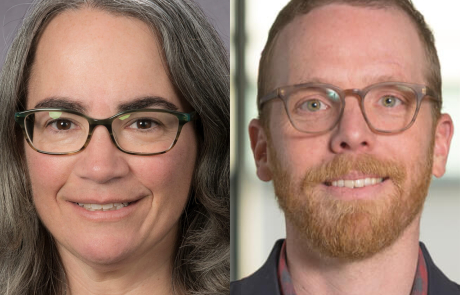
Innovation Fund Spotlight: Single-Cell CRISPR Screening To Explore Genetics and Autoimmune Diseases
Together, Jessica Hamerman, PhD, and John Ray, PhD, are exploring the genetic roots of autoimmune disease using single-cell CRISPR screening.