
A healthy immune system depends on balance. Inflammation is essential for fighting infection, but when it becomes excessive or misdirected, it can drive autoimmune and inflammatory disease. Central to this balance are T cells — particularly pro-inflammatory subsets such as Th1 and Th17 cells, and anti-inflammatory regulatory T cells, also called Tregs. Research in the Khor Lab focuses on understanding how these cells are regulated and how that knowledge can be translated into more precise, effective therapies.
To uncover new ways to promote immune balance, Khor Lab researchers pioneered a high-throughput, unbiased discovery approach in primary human T cells. Rather than relying solely on traditional genetic methods — which can be technically challenging in naive T cells — this strategy uses small molecules to identify pathways that enhance Treg differentiation. In doing so, the work not only reveals previously unrecognized biology but also highlights molecular targets that may be immediately relevant for therapeutic development.
Using this platform, the lab identified two kinases, DYRK1A and CDK8, as key regulators of T cell fate. Inhibiting either kinase promotes the development of Tregs while limiting pro-inflammatory responses. In multiple model systems, blocking DYRK1A or CDK8 reduces inflammation, underscoring their potential as therapeutic targets. Notably, deletion of DYRK1A in preclinical model T cells also suppresses Th17 differentiation, further reinforcing its central role in shaping immune responses.
Current work is focused on defining the molecular pathways downstream of DYRK1A and understanding how this signaling hub operates in physiologically relevant settings. One area of particular interest is Down syndrome, where immune imbalance is a common and often underrecognized challenge. DYRK1A is located on chromosome 21 and is overexpressed in people with Down syndrome, a population known to have increased levels of Th17 cells. The lab is exploring whether targeting DYRK1A could offer a precision immunomodulatory strategy tailored to this unique genetic context.
Together, this research bridges fundamental discoveries in T cell biology with meaningful clinical insight. By combining innovative discovery tools with a commitment to translational relevance, the Khor Lab seeks to advance new therapeutic directions for autoimmune and inflammatory diseases — and, ultimately, to improve the lives of people affected by immune system disorders.

Additional Research Projects
Aging and Down Syndrome: The Immune System and Beyond
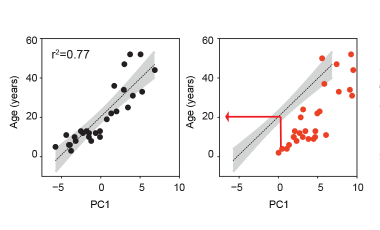
People with Down syndrome often experience health challenges that resemble aspects of accelerated aging, including a higher risk of infections and reduced protection from some vaccines, such as influenza and COVID-19.
Dissecting the Mechanisms Driving Autoimmunity in People With Down Syndrome
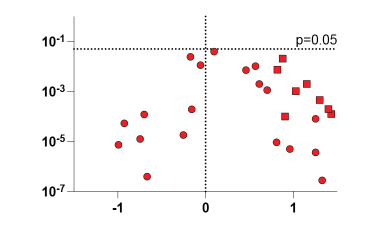
People with Down syndrome face a strikingly higher risk of developing autoimmune disease — in some cases up to 100 times greater than in the general population.