
During the COVID-19 pandemic, the Lacy-Hulbert Lab applied its expertise to better understand SARS-CoV-2, the virus that causes COVID-19, and explore ways to prevent and treat infection. Using forward genetic screening, the team identified genes and cellular pathways that can enhance cellular resistance to the virus. The goal of this approach was to uncover new therapeutic targets and help explain why some individuals experience severe disease while others have mild symptoms — or none at all.
The Lacy-Hulbert Lab collaborated closely with BRI lung immunity researchers, including Steven Ziegler, PhD, Jessica Hamerman, PhD, and Daniel J. Campbell, PhD, as well as partners at Seattle Children’s Research Institute and the University of Washington. Together, the teams tested whether antiviral mechanisms previously identified in studies of Ebola and influenza could also be effective against SARS-CoV-2.
By combining cutting-edge genetic tools with deep immunology expertise, researchers in the Lacy-Hulbert Lab contribute to a broader understanding of how viruses interact with the immune system and help inform strategies to protect human health.
Additional Research Projects
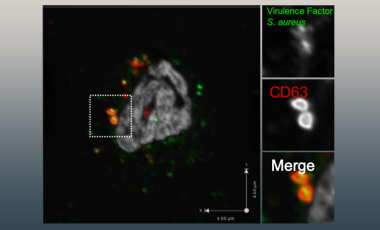
Distinguishing Pathogens From Self
Researchers in the Lacy-Hulbert Lab are exploring the molecular and cellular pathways that determine when innate immune cells promote tolerance and when they trigger inflammation.
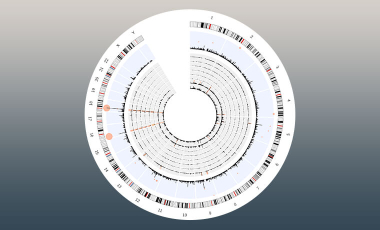
Forward Genetics To Identify New Mechanisms in Immunity and Host Defense
In the Lacy-Hulbert Lab, researchers focus on identifying the mechanisms that control innate immunity and host defense, using innovative genetic approaches that let them explore immunity on an unprecedented scale.

Regulation of Immune Responses
The Lacy-Hulbert Lab seeks to understand how the immune system maintains balance — mounting strong defenses against infection while avoiding harmful attacks on the body itself.