
The innate immune system is the body’s first line of defense, constantly on patrol for signs of infection. Specialized cells, including dendritic cells and macrophages, detect microbial invaders and activate immune responses to protect the body. Over the past two decades, research has uncovered a complex network of receptors these cells use to recognize microbes and coordinate the wider immune response.
Not all microbes are harmful. Many live peacefully in the gut and other tissues, and some are even beneficial. However, the same receptors that detect microbes can sometimes respond to the body’s own molecules. When this happens inappropriately, it can trigger autoimmune diseases, in which the immune system mistakenly attacks healthy tissue.
A major focus of the Lacy-Hulbert Lab is understanding how the immune system responds to cells that die through programmed processes such as apoptosis. Apoptosis is a silent form of cell death, removing damaged or unnecessary cells without causing inflammation. When dendritic cells engulf apoptotic cells, they adopt a regulatory state that encourages immune tolerance, preventing harmful attacks on the body’s tissues. This process allows the immune system to continuously monitor the body’s own molecules and maintain balance, safeguarding overall health.
Researchers in the Lacy-Hulbert Lab are exploring the molecular and cellular pathways that determine when innate immune cells promote tolerance and when they trigger inflammation. By uncovering these mechanisms, the lab aims to pinpoint the triggers of autoimmune disease and pave the way for more precise, targeted therapies for people affected by these conditions.

Additional Research Projects
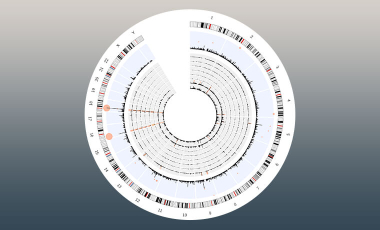
Forward Genetics To Identify New Mechanisms in Immunity and Host Defense
In the Lacy-Hulbert Lab, researchers focus on identifying the mechanisms that control innate immunity and host defense, using innovative genetic approaches that let them explore immunity on an unprecedented scale.

Regulation of Immune Responses
The Lacy-Hulbert Lab seeks to understand how the immune system maintains balance — mounting strong defenses against infection while avoiding harmful attacks on the body itself.

SARS-CoV2 And COVID-19
During the COVID-19 pandemic, the Lacy-Hulbert Lab applied its expertise to better understand SARS-CoV-2, the virus that causes COVID-19, and explore ways to prevent and treat infection.