

The Khor Lab is advancing new approaches to understanding how the immune system functions and why it sometimes becomes dysregulated. Using advanced tools to study antigen-specific immune cells, the lab seeks to understand how immune responses become dysregulated in people with Down syndrome. This work sheds light on challenges unique to this population while also revealing broader insights into aging, autoimmunity and vaccine responses.
A central focus of the Khor Lab’s research is discovering novel pathways that regulate immune tolerance and inflammation, with the goal of informing precision therapies tailored to individual patients. By studying the human immune system in depth, researchers are identifying promising new therapeutic targets and uncovering shared principles that connect seemingly distinct immune-mediated diseases.
Collaboration is central to the lab’s approach, bringing together experts in genetics, chemistry, computation and clinical research. Trainees are supported in a creative, rigorous and collaborative environment, where innovative approaches to clinically relevant questions are encouraged.

Bernard Khor, MD, PhD
Lab Members

Emma Bols

Rebecca Gomez

Chenyu Li

Suzie Ruskin
Past Lab Members
Azlann Arnett
Current Affiliation: Graduate Student; Seattle Children's
Research Projects
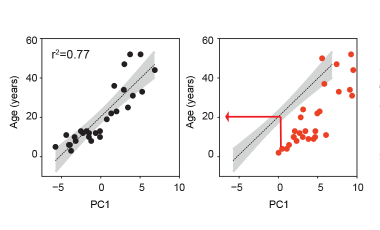
Aging and Down Syndrome: The Immune System and Beyond
People with Down syndrome often experience health challenges that resemble aspects of accelerated aging, including a higher risk of infections and reduced protection from some vaccines, such as influenza and COVID-19.
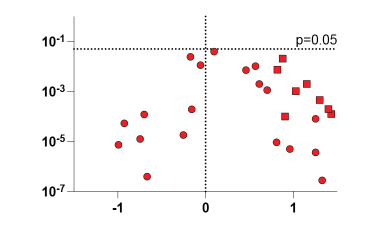
Dissecting the Mechanisms Driving Autoimmunity in People With Down Syndrome
People with Down syndrome face a strikingly higher risk of developing autoimmune disease — in some cases up to 100 times greater than in the general population.
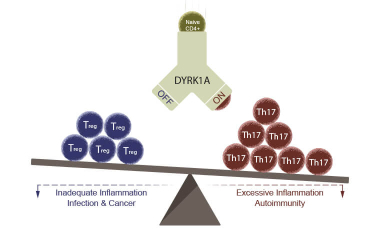
Understanding How DYRK1A Regulates T Cell Biology
A healthy immune system depends on balance. Inflammation is essential for fighting infection, but when it becomes excessive or misdirected, it can drive autoimmune and inflammatory disease.
Featured Publications
Vaccination in individuals with Down syndrome: immune vulnerability, safety, efficacy and opportunities
NPJ Vaccines
DYRK1A and Parkinson's disease, facts and hypotheses
Neurobiology of Disease
Defining a novel DYRK1A-gp130/IL-6R-pSTAT axis that regulates Th17 differentiation.
Immunohorizons
Down syndrome: insights into autoimmune mechanisms.
Nature Reviews. Rheumatology
FRTX-02, a selective and potent inhibitor of DYRK1A, modulates inflammatory pathways in mouse models of psoriasis and atopic dermatitis.
Journal of Translational Autoimmunity

Inside BRI's Down Syndrome Biorepository
Bernard Khor, MD, PhD, examines how Down syndrome impacts the immune system.

Participants like Ayman Make Research Possible
Ayman, 23, enjoys playing the drums and working at MOD Pizza — he was even in one of MOD’s TV commercials. He loves Pepper, his schnoodle (schnauzer-poodle).

$3.5 Million to Study Down Syndrome and the Immune System
What goes wrong in the immune system that causes autoimmune disease or limits its ability to fight infections? That’s the question Bernard Khor, MD, PhD, started with 12 years ago. His search for answers led him somewhere unexpected: to people with Down syndrome.
News

BRI’s Bernard Khor, MD, PhD, Joins DSC Board of Directors
Read More
Benaroya Research Institute Awarded $11 Million Across Eight Grants in Second Half of 2024 to Predict, Prevent, Reverse and Cure Immune System Diseases
Read More