
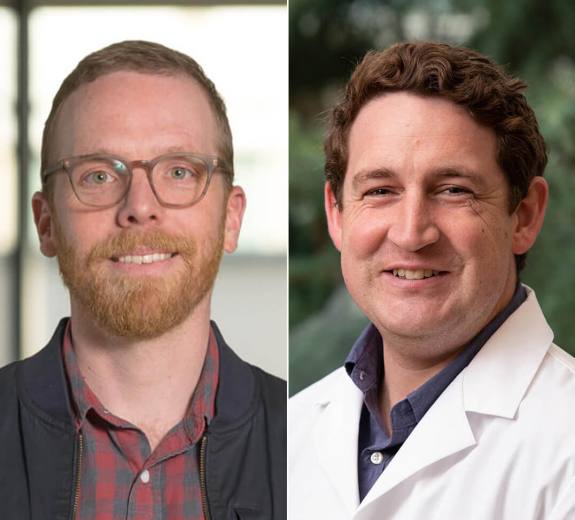
Innovation Fund Spotlight: Finding the Precise Moment When Immune Cells Start Causing Disease
Read ArticleBlog Posts focused on: S Alice Long, PhD; Lab Long
May 18, 2026
Could GLP-1RA Medications Help Treat Type 1 Diabetes?
Sarah Kobernat, PhD, is working to find out.
January 28, 2025
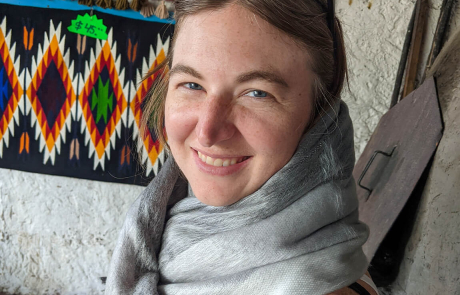
Interview with Dr. Megan Smithmyer: Type 1 Diabetes Biorepository (BRIDge Study)
Dr. Smithmyer is a staff scientist at Benaroya Research Institute (BRI) in the Center for Interventional Immunology. She has kindly agreed to speak with us about what the BRIDge Biorepository is and its importance to the work that scientists like her do in the realm of type 1 diabetes.

January 12, 2024
New Grant Fuels Research Into Preventing Autoimmunity
Naive T cells are like the rookies of your immune system. They’re young and inexperienced. They grow up to do different jobs, most of which help protect your body from viruses and bacteria. But a few stray down the wrong path — growing up to become cells that cause autoimmune disease.
September 28, 2023
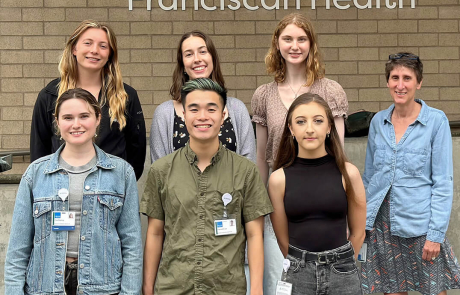
Meet BRI's Summer 2023 Interns
Each summer, BRI hosts undergraduate interns from universities across the country. They join various BRI labs and departments to take on research projects with mentorship from our scientists. Meet this year's interns and learn about the exciting projects they worked on.

March 14, 2023
Prediction and Prevention: A New Paradigm in Autoimmune Disease
The FDA recently approved teplizumab, a groundbreaking therapy that signals a paradigm shift in treating not only T1D but all autoimmune diseases.

December 14, 2022
Immunology to Change Lives: Where We're Going in 2023
BRI was formed with a clear plan: First, answer key fundamental questions about the immune system. Then, build on those answers to change lives. This is a very exciting time because we’re reaching that second stage of the plan.
September 29, 2020
Fine-Tuning Immune Cells to Stop Disease
To understand what causes type 1 diabetes (T1D), imagine a spy novel. It starts with a hero, the T-cell, that roams your body like James Bond. The T-cell hunts down enemies — bacteria and viruses — and snuffs them out. Then something goes terribly wrong: The hero becomes a villain.
July 10, 2020
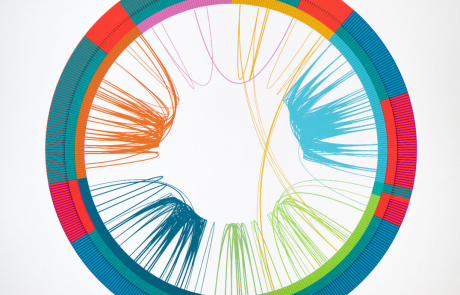
A Revolutionary Way to Study the Immune System
One goal is to find markers that identify why some people with the virus don’t have symptoms while others get fatally ill. The sickest patients tend to have multiple health issues, which makes it hard to pinpoint the factors related to COVID-19.
December 10, 2019
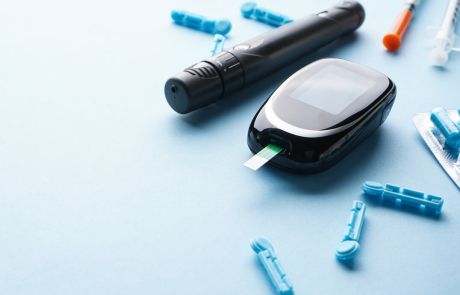
Another Landmark T1D Discovery
When some people are diagnosed with type 1 diabetes (T1D), the disease progresses so quickly that their pancreas stops making insulin within a year. For others, the process is slower and this can make their T1D easier to manage. But what if we could identify these fast progressors early, and ma
June 20, 2019
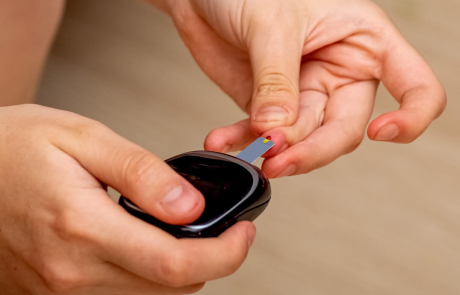
Personalizing Treatment for Type 1 Diabetes
BRI’s Matt Dufort, PhD, and Peter Linsley, PhD, led two new studies that could help doctors predict how quickly type 1 diabetes (T1D) will progress in some people, and match them with treatments that could slow it down. Dr.