
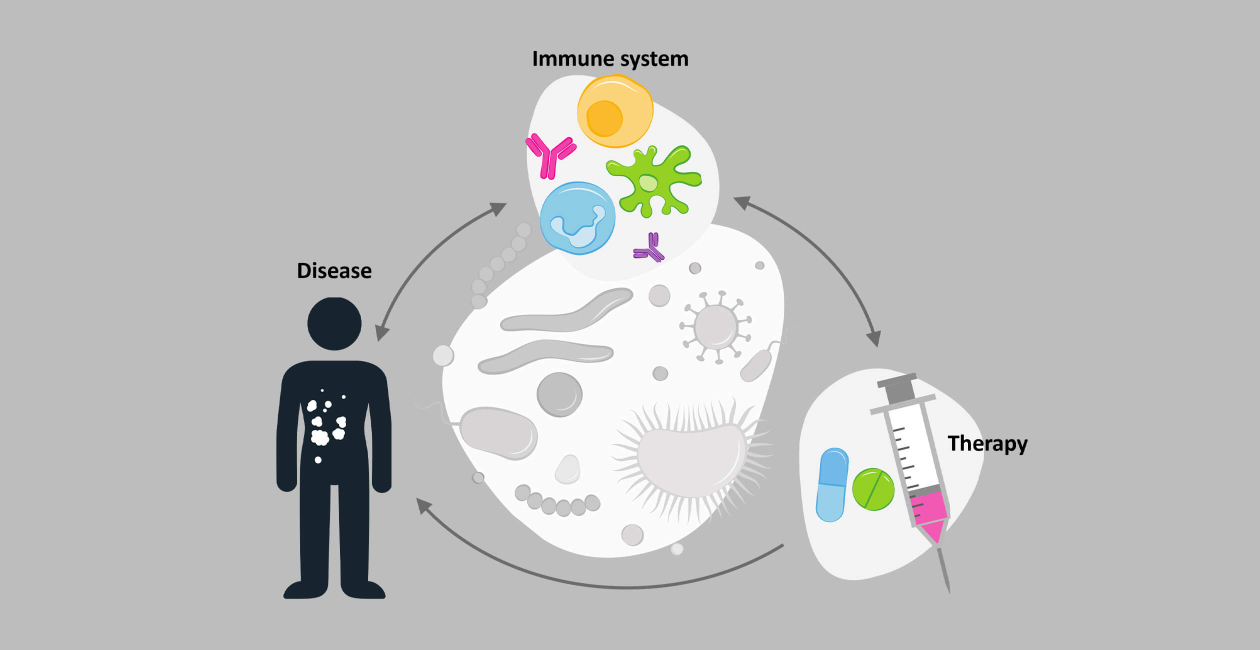
The gut microbiome changes over time in response to factors such as disease, medications and diet. The Byrd Lab studies how these changes influence immune function and disease outcomes in people with cancer and other immune-mediated diseases. Understanding these microbial dynamics can reveal important connections between the microbiome, immune system activity, and patient outcomes.
In collaboration with oncologists worldwide, including Shahneen Sandhu, MBBS, FRACP, at Peter MacCallum Cancer Centre in Melbourne, Australia, the lab contributes to the MicroMac observational trial. This study follows 150 patients with melanoma to track changes in their gut microbiomes before, during and after treatment with medications such as antibiotics or corticosteroids. These medications are commonly prescribed to manage immune-related adverse events (irAEs) or infections that can arise during standard immunotherapy.
The Byrd Lab hypothesizes that shifts in the microbiome may occur before irAEs arise and that these microbial changes normalize once the irAEs resolve. To investigate this, the team has sequenced hundreds of stool samples collected over time, carefully pairing this data with detailed clinical information such as medication use, treatment responses, and adverse events. This integrated approach offers a unique window into the long-term interplay between the microbiome, medications, and immune responses during checkpoint inhibitor therapy.
Building on insights from cancer therapy, the Byrd Lab aims to extend this work to autoimmune diseases, including type 1 diabetes, rheumatoid arthritis and inflammatory bowel disease. In these conditions, the immune system mistakenly targets beneficial microbes, contributing to chronic inflammation and tissue damage. By tracking microbiome dynamics, the lab aims to uncover patterns associated with disease activity and better understand how interactions between the microbiome and immune system influence disease progression. This research brings together patients, clinicians and scientists in a collaborative effort to uncover new insights into immune-mediated diseases.
Additional Research Projects
Steady-State Microbiome and Metabolome
The Byrd Lab studies how the gut microbiome and its metabolic products — known as the metabolome — shape human health.
Local Effects of Microbes in Tissues
The Byrd Lab studies how microbes influence health and disease — not just systemically through gut-derived metabolites, but locally within tissues themselves.