



What is Type 1 Diabetes?
Frequent urination, dry mouth and unexplained weight loss are common symptoms of type 1 diabetes (T1D). Also called juvenile diabetes, T1D affects nearly one million Americans and usually occurs in children or young adults. The worldwide incidence of the disease is growing with the greatest increase in children under five years old. Family members of someone who has been diagnosed with T1D are 15 times more likely to develop the disease themselves.
In this autoimmune disease, the body's immune system attacks and destroys cells in the pancreas that make insulin. People with this disease must inject themselves with insulin, carefully monitor their blood sugar and balance their food intake and exercise.
For the past two decades, Benaroya Research Institute at Virginia Mason (BRI) has served as a worldwide leader in research to diagnose, prevent, treat and cure T1D. BRI scientists have accounted for some of the substantial discoveries in the field, including the identification of diabetes susceptibility genes, descriptions of the properties of diabetes-associated immune cells and the development of laboratory and clinical tools to study disease progression and response to therapy.
If you have T1D or a relative with T1D, you’re in a unique position to help us learn more about the disease and how to stop it. The first step is to sign up for a clinic trial or screening.
You Might Also Like
Innovation Fund Spotlight: Pioneering a New Generation of Tetramers
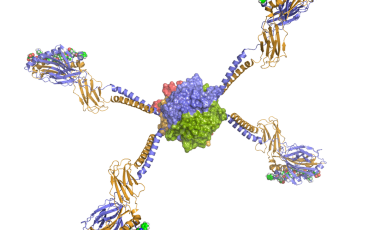
In the late 1990s, Bill Kwok, PhD, pioneered MHC class II tetramers, a game-changing tool in immunology research. Tetramers have fueled countless research breakthroughs because they enable scientists to find extremely rare cells and extract them to study in precise detail.
New Technology Opens the Door to Understanding the Earliest Stages of T1D
Eddie James, PhD, earned a new grant to explore early cell changes that lead to T1D, using a new tool pioneered at BRI.
Game-Changing Treatment for T1D Enters Clinical Trials
A new T1D treatment, built on decades of research at BRI and other institutions, has entered human clinical trials.
Immuno-what? Hear the latest from BRI
Keep up to date on our latest research, new clinical trials and exciting publications.