
Benaroya Research Institute maintains 11 deeply characterized biorepositories representing autoimmune diseases, allergic diseases, cancer and healthy control populations. Biospecimens are collected, processed and stored using standardized protocols and are linked with comprehensive clinical and health data, enabling research across cohorts. This harmonized approach allows investigators to compare immune activity across diseases, identify shared and disease-specific mechanisms, and integrate biospecimen data with environmental health metrics. Together, these resources provide a unique platform for advancing systems-level studies of immune-mediated disease.
Researchers and collaborators interested in leveraging these unique resources are encouraged to connect with BRI to explore partnership opportunities and accelerate discoveries across immune-mediated diseases.
“Our goal was to understand human diseases, particularly autoimmune diseases, we needed to connect what we learned in the lab with how to help patients in the clinic. A bank of blood and tissue samples (biorepository) could be that bridge.”
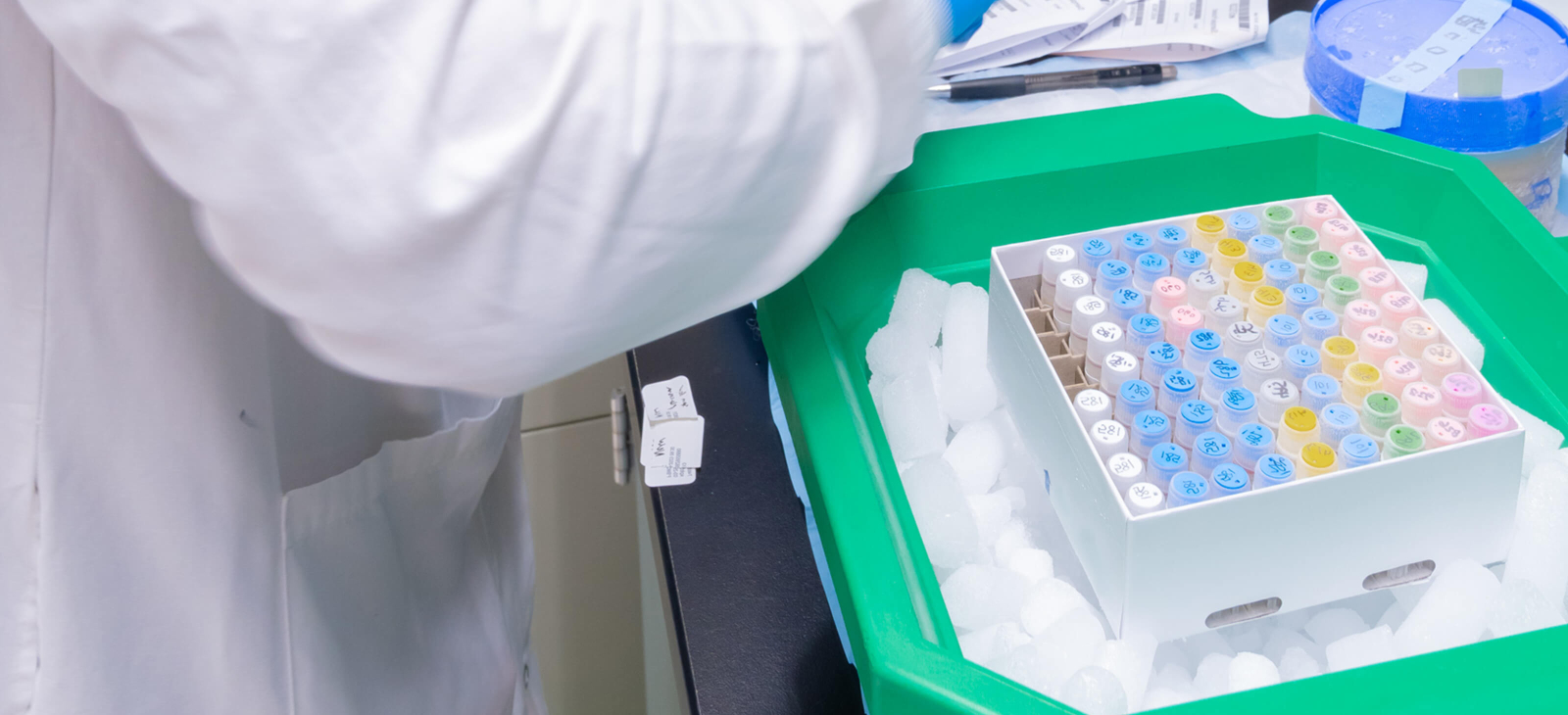
We are grateful to receive approximately 10,000 samples annually from many generous donors. These donations allow BRI investigators and their collaborators to make new insights and faster progress in finding ways to predict, prevent and treat human disease. Our unique biorepositories help attract scientists from around the world to join BRI’s team.
11
14,000+
350,000+
Our Biorepositories
- Allergies and Asthma
We collect and store blood samples from people with asthma, food allergies, and inhalant allergies. The biorepository includes participants across a broad range of allergic conditions, supporting studies of immune responses and disease mechanisms.
- Cancer
We collect and store blood, tissue, and stool samples from people with pancreatic, colorectal, renal, lung, breast, and other cancers. The biorepository includes more than 1,200 participants, with matched blood and tissue samples available for many studies, supporting research on tumor biology, immune responses, and cancer immunotherapy.
- Down Syndrome
We collect and store blood samples from people with Down syndrome beginning at age 1. The biorepository includes nearly 300 participants, including many with autoimmune diseases such as type 1 diabetes, celiac disease, and autoimmune thyroid disease, supporting studies of immune dysregulation and autoimmune disease risk in Down syndrome.
- Gastrointestinal Disease
We collect and store blood and biopsy samples from people with Crohn's disease, ulcerative colitis, celiac disease, and other gastrointestinal conditions, and collect stool samples for select studies. The biorepository includes more than 1,700 participants, with biopsy samples collected during diagnostic and follow-up colonoscopies, supporting studies of disease mechanisms, biomarkers, and therapeutic responses.
- Healthy Control
We collect and store blood samples from healthy volunteers across a broad range of ages, including children. The biorepository includes over 2500 participants and is growing; it helps characterize a healthy immune system and provides an essential comparison group for research across diseases of the immune system.
- IgA Nephropathy
We collect and store blood and other biological samples from people with IgA nephropathy. The biorepository demonstrates our ability to recruit highly specialized patient populations and support translational research in rare immune-mediated kidney disease.
- Neurologic Disease
We collect and store blood samples from people with multiple sclerosis, amyotrophic lateral sclerosis (ALS), and other neurologic diseases. The biorepository includes more than 1,000 participants with longitudinal samples, clinical severity scores, and over 15 years of clinical follow-up, supporting studies of disease progression and treatment response.
- Pulmonary Disease
We collect and store blood, bronchoalveolar lavage (BAL), and biopsy samples from people with pulmonary diseases. The biorepository links biospecimens with detailed health histories and matched clinical and laboratory data, supporting studies of disease mechanisms, biomarkers, and treatment response.
- Rheumatic Disease
We collect blood and tissue samples from people with RA, SLE, scleroderma, relapsing polychondritis, axial spondylarthropathy, and others. We’ve enrolled over 1000 people with RA and over 500 with SLE, many of whom have been tested longitudinally.
- Type 1 Diabetes
We have blood samples from nearly 2000 people with T1D as well as their family members. We routinely measure T1D autoantibodies, HbA1c, and HLA for all participants, and are able to perform metabolic testing as needed for prospective studies.
- Vaccine and Infectious Disease
We collect and store blood samples from people with infectious diseases and vaccine recipients age 12 and older. The biorepository includes cohorts for COVID-19, influenza, shingles, Japanese encephalitis, yellow fever, and other infectious diseases, supporting studies of immune responses, vaccine efficacy and immune memory.